Sri Lanka species count
What lives on the island, how much of it is endemic, and where to find it.
Species and endemism by group
Sorted by how much of each group is endemic. High endemism usually means small ranges and high conservation value.
Figures are from WildREACH records and rounded to whole percentages. New species are still being described, especially among amphibians, spiders and plants.
What makes the island special
An island lab. Sri Lanka split from the Indian mainland long ago, so many species evolved here alone. That is why reptiles, amphibians and snails show such high endemism.
Many habitats, little distance. The island runs from sea level to over 2,500 metres. Wet and dry zones sit side by side, so rain forest and open plains are a short drive apart.
Protected places. Sinharaja Forest Reserve and the Central Highlands are UNESCO World Heritage sites.
Flagship species
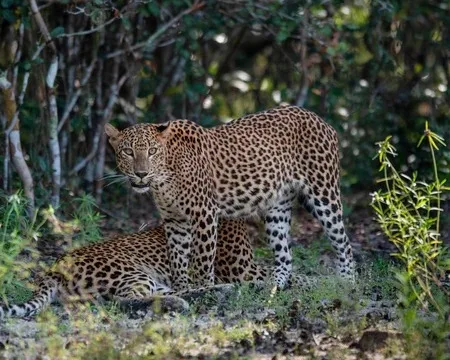
Sri Lankan leopard
Panthera pardus kotiyaThe island's top predator. Yala and Wilpattu are the best places to see it.
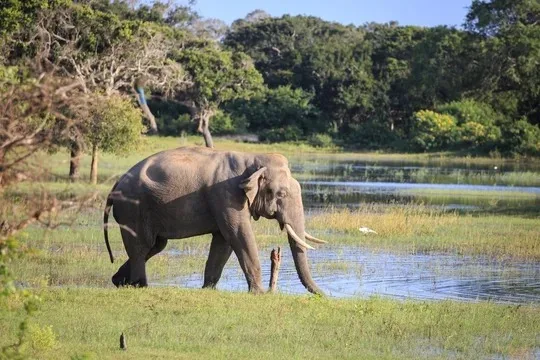
Sri Lankan elephant
Elephas maximus maximusThe largest Asian elephant subspecies. Hundreds gather at Minneriya in the dry season.
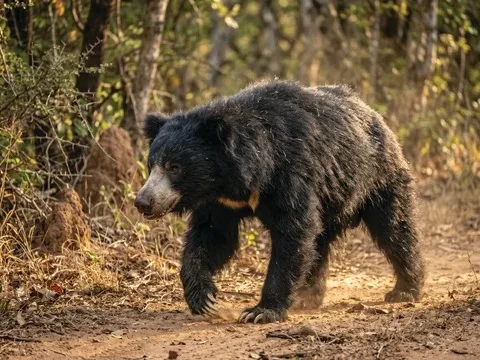
Sloth bear
Melursus ursinus inornatusA shaggy, shy subspecies found only on the island.
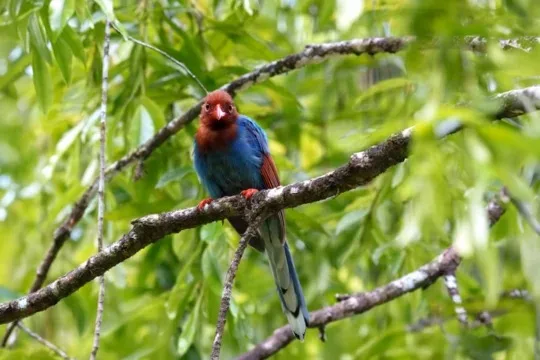
Sri Lanka blue magpie
Urocissa ornataA jewel-blue endemic bird of the wet-zone rain forests such as Sinharaja.
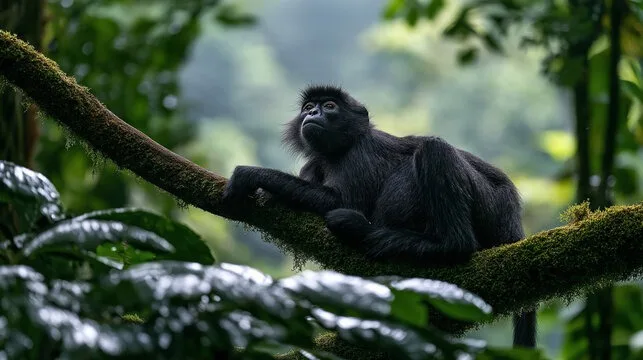
Purple-faced langur
Semnopithecus vetulusAn endemic leaf-eating monkey of the wet zone and hills.
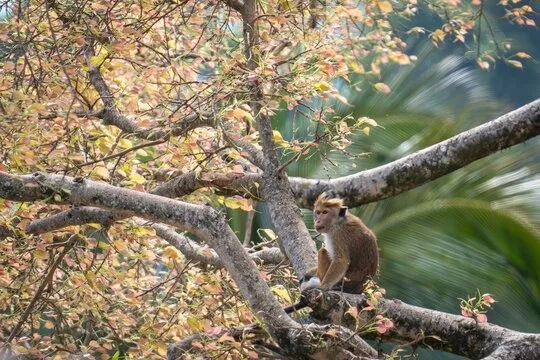
Toque macaque
Macaca sinicaAn endemic monkey, often seen around dry-zone ruins and parks.
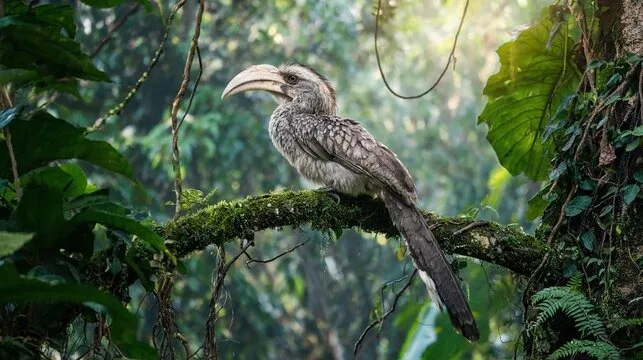
Sri Lanka grey hornbill
Ocyceros gingalensisAn endemic hornbill with a loud call, found in forests and wooded gardens.
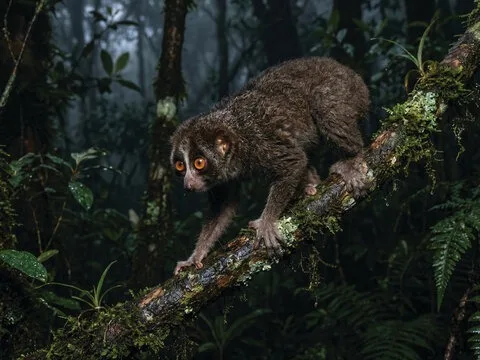
Red slender loris
Loris tardigradusA tiny nocturnal primate. Finding one on a night walk is a real prize.
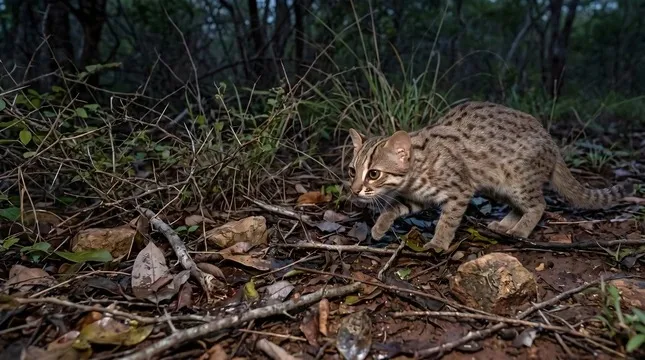
Rusty-spotted cat
Prionailurus rubiginosusOne of the world's smallest wild cats, shy and mostly nocturnal.
Five habitats
Wet zone rain forest
Sinharaja, KitulgalaThe richest habitat for endemics, especially amphibians, snails and birds.
Dry zone forest and grassland
Yala, Wilpattu, Udawalawe, MinneriyaOpen country where elephants, leopards and bears are easiest to see.
Montane cloud forest
Horton Plains, KnucklesCool, misty highlands with sambar deer and many endemic plants and birds.
Wetlands and mangroves
Bundala, Kumana, Madu GangaWaders, flamingos, crocodiles and kingfishers in shallow water.
Coast and sea
Mirissa, Rekawa, TrincomaleeWhales, dolphins and nesting sea turtles.
When to go
Typical best months. Weather varies by year and region, so we confirm dates before you book.
Want to chase the endemics yourself? See the endemic birds challenge.